Table of Contents
Table of Contents
The short version
Importing bulk shampoo base in drums and bottling it yourself usually ends up costing more than turnkey OEM sourcing. While shipping bulk base saves on water-weight freight costs, repackaging it locally exposes the liquid to bacteria, degrades the preservatives, and requires expensive cleanroom equipment to meet safety rules. Turnkey OEM is safer and cheaper because the factory delivers fully certified, retail-ready bottles directly to your warehouse.
Why shipping bulk shampoo is a tempting mistake
When you start a private label shampoo brand, shipping costs are always on your mind. Shampoos and conditioners are mostly water, and water is heavy to ship.
Because of this, many new brand owners ask us if they can buy bulk shampoo base in drums, source their own bottles, and fill them in their own local facilities.
We can supply bulk semi-finished products, but doing the filling yourself is a major risk.
I have run our 10,000 square meter factory for over ten years. In that time, I have seen many brands lose their entire inventory to bacteria and mold during local repackaging. Let’s look at why turnkey sourcing is the safer path.
What is turnkey private label sourcing?
Turnkey sourcing means the factory manages the entire supply chain for you.
The manufacturer takes care of everything:
- Developing and testing your custom formulation.
- Buying the bottles, pump heads, caps, and shipping boxes.
- Printing your artwork and labels onto the containers.
- Filling, sealing, and packing the finished product.
At SEVICH, this is our main service. We deliver finished, boxed products straight to your door. You do not have to coordinate with multiple suppliers.
The massive threat of bacteria
The biggest risk of repackaging bulk hair care products is microbiological contamination.
Shampoo and conditioner are water-based. Bacteria and mold love water.
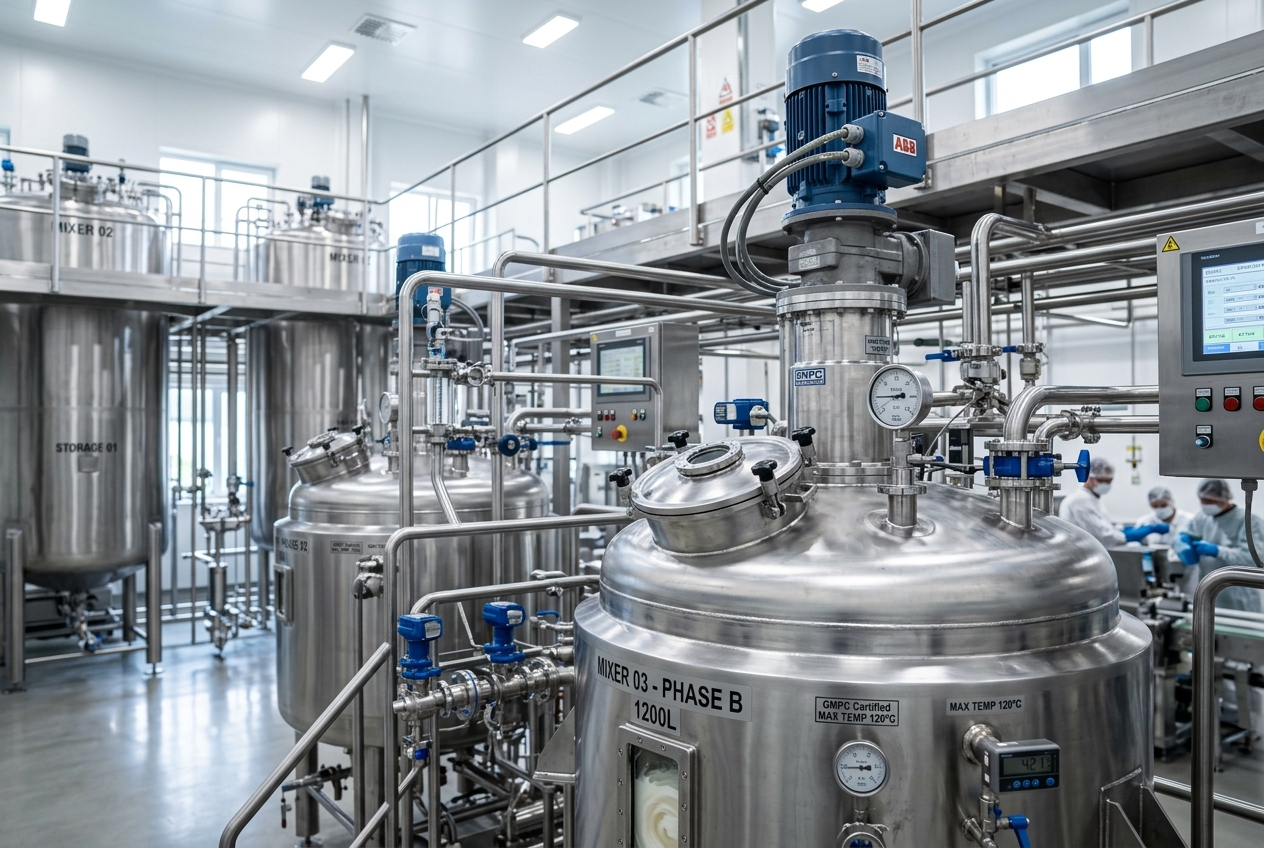
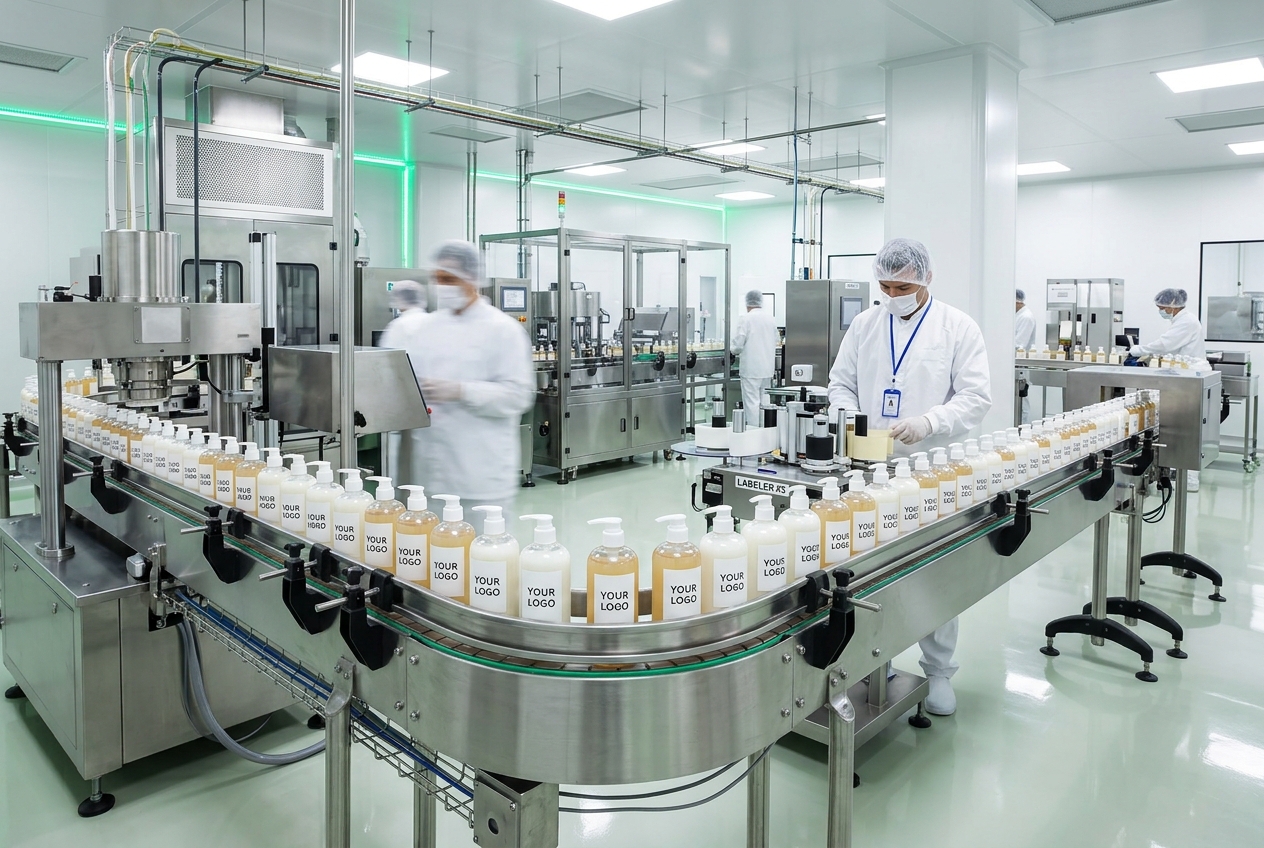
In our factory, we mix and fill products in a GMPC-certified sterile cleanroom. The air is filtered, the pipes are sanitized, and the workers wear full protective suits.
If you open a 200kg drum of bulk shampoo base in a standard warehouse, you expose the liquid to the air.
Dust, mold spores, and bacteria will enter the drum.
According to the U.S. Food and Drug Administration (FDA) Cosmetic Safety Guidelines, contaminated cosmetics cause serious scalp infections and lead to mandatory product recalls. Without a certified cleanroom, keeping your product sterile during filling is almost impossible.
How local handling ruins preservatives
Every custom formulation has a carefully balanced preservative system designed to protect the shampoo during normal use. This system is not designed to handle the heavy exposure that happens during open-air repackaging.
When you transfer bulk conditioner or shampoo from a shipping drum into individual bottles:
- The exposure to oxygen breaks down the active preservatives.
- Dust and moisture from the local air stress the formula.
- If you add local water, fragrance oils, or colors to customize the base, you dilute the preservatives.
Once the preservatives fail, the product will grow mold and yeast inside the bottles. Within a few weeks on retail shelves, your shampoo will start to smell bad, change color, or separate.
The financial reality of local bottling
Many startups believe that filling bottles locally will save them money. However, they overlook the cost of setting up a legal, compliant filling facility.
To package shampoo safely and legally, you must invest in professional equipment:
- Pneumatic liquid filling machines with sanitary stainless steel pumps.
- Automated capping tools to prevent leaks.
- Air filtration systems to keep the filling area clean.
- Batch coding printers for manufacturing dates and tracking codes.
You also have to pay for regular microbiological testing to prove your filled products are safe. When you add up the cost of this machinery, local labor, and product waste, the savings from shipping disappear. Turnkey OEM sourcing utilizes the scale of our 20 automated production lines. We buy materials in massive volumes, passing the savings directly to you.
Sourcing bulk base vs. turnkey OEM sourcing
Here is a quick comparison of the two sourcing models:
| Sourcing Feature | Sourcing Bulk Base | Turnkey OEM Sourcing |
|---|---|---|
| Sanitation Standards | High risk of contamination during transfer | 100% GMPC sterile cleanroom filling |
| Machinery Investment | You must buy filling and capping machines | Zero machinery investment required |
| Preservative Guarantee | Lost once drum is opened and processed | Guaranteed 3-year shelf life stability |
| Regulatory Compliance | You must certify your local facility | Covered by our GMPC & ISO 22716 certifications |
| Packaging Match | High risk of bottle and cap sizing errors | Pre-tested bottles with guaranteed seal |
| Time-to-Market | Slow due to local setup and testing | Fast delivery in 25 working days |
Why turnkey OEM sourcing with SEVICH is safer
We want to help you build a reliable, profitable brand. Our turnkey private label service removes the complexity of supply chain management:
- Tested Formulations: Choose from our 3000+ stable formulas, or work with our chemists on custom formulations for anti-dandruff, hair loss prevention, or purple toning shampoos.
- Strict Quality Control: We run a three-step quality check (raw materials, production line, finished goods) to guarantee safety.
- Low Starting MOQs: We support emerging brands with low MOQs of 2,000 to 5,000 bottles.
- Complete Paperwork: We provide all export documentation, including MSDS, COA, and Cosmetic Product Safety Reports (CPSR) for European and American markets.
Request our turnkey private label guide
Ready to launch your custom shampoo and conditioner line? Contact our team today to get our turnkey catalog, wholesale pricing, and agent policies.
Inquire About SEVICH OEM/ODM Turnkey Solutions
Frequently asked questions
Is it cheaper to import bulk shampoo base or buy finished products?
Finished turnkey products are usually cheaper. While bulk base saves on shipping weight, you must pay for local bottling equipment, labor, cleanroom setup, and safety testing. Turnkey manufacturing utilizes factory automation to lower the cost per bottle.
What are the safety risks of repackaging hair conditioner locally?
The main risk is bacterial contamination, especially by water-loving bacteria like Pseudomonas. Repackaging in a standard warehouse introduces dust and mold. This breaks down the preservatives and causes the conditioner to spoil.
What certificates do I need to import bulk hair care base?
You will need a Material Safety Data Sheet (MSDS), a Certificate of Analysis (COA) for the batch, and custom declaration documents. If you repackage locally, you must also obtain GMPC or local health department approvals for your bottling facility.
How long does bulk shampoo base last in storage?
Unopened bulk shampoo base inside a sealed factory drum can last up to 12 to 24 months. However, once you open the drum, you must fill the bottles immediately. Exposure to air starts the degradation process.
Does SEVICH sell bulk shampoo and conditioner base?
Yes, we can supply bulk semi-finished liquid bases in 50kg or 200kg drums for clients with certified local filling lines. However, we strongly recommend our turnkey private label service to ensure safety and stability.
What is the MOQ for turnkey private label shampoo?
At SEVICH, our turnkey MOQ is between 2,000 and 5,000 units. This depends on your formulation requirements and packaging choices.