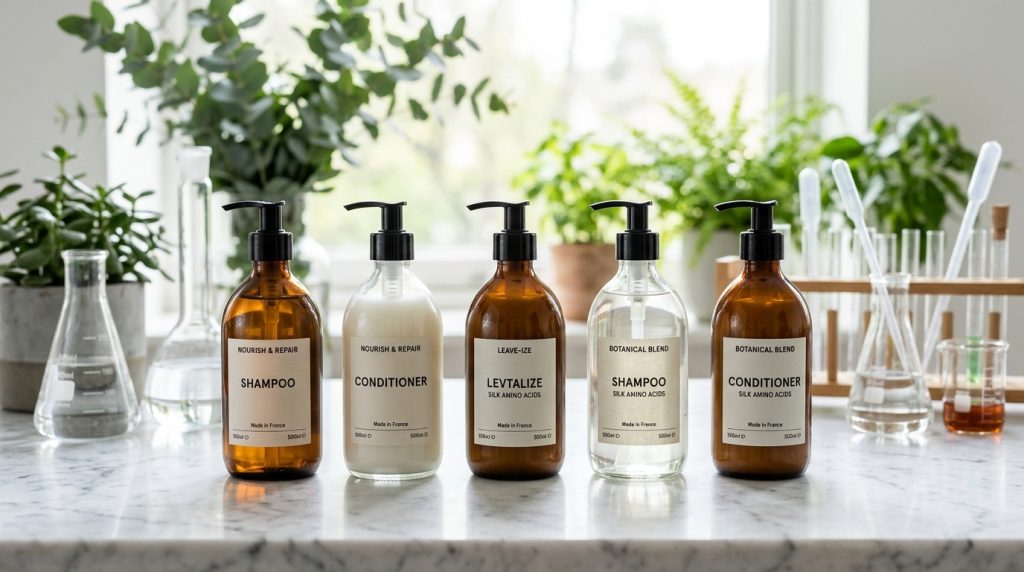
Protein Treatment for Natural Hair: Benefits, Risks and How Often to Use It
A protein treatment for natural hair can support a smoother, more conditioned feel when it is used as part of a balanced routine. It is not a permanent repair and it is not needed by every person or at every wash day. The best choice depends on hair texture, colouring or heat exposure, current routine, and the formula itself. Start with the product directions, then adjust based on how hair feels and behaves over several uses.
Quick answer: Choose a rinse-off protein treatment or mask with good slip and clear directions. Use it only as often as the finished product recommends. If hair starts to feel stiff, rough, heavy, or difficult to manage, simplify the routine rather than automatically adding more protein.
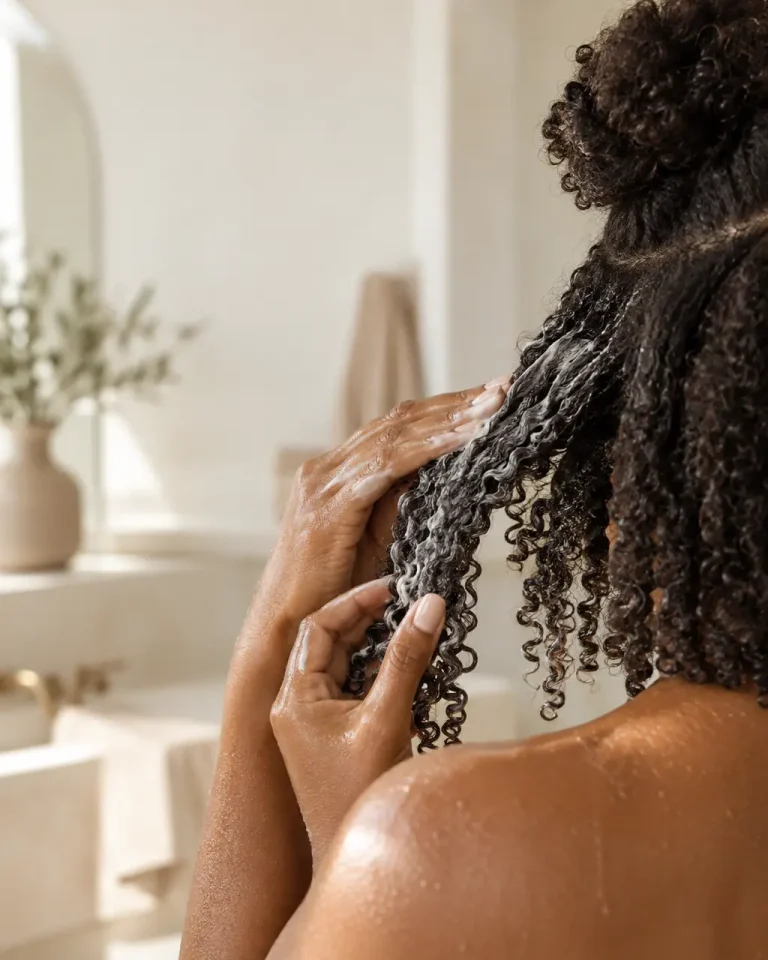
What is a protein treatment for natural hair?
A protein treatment is usually a rinse-off conditioner, mask, or treatment that includes protein-derived ingredients, hydrolysed proteins, amino acids, or keratin-related ingredients. In hair-care formulas, these ingredients may contribute to a temporary conditioned, smoother-feeling finish.
Natural hair is not one hair type. It can be fine or coarse, loose-curled or tightly coiled, untreated or colour-treated. A useful protein treatment for natural hair must therefore do more than include a trend ingredient. It needs to spread well, give enough detangling slip, rinse cleanly, and suit the customer’s real wash-day routine.
Hair-care research has examined how protein hydrolysates can deposit on hair fibers and contribute to surface feel in a finished conditioner. Official external-link opportunity: PubMed, “Feather keratin hydrolysates obtained from microbial keratinases: effect on hair fiber”. This does not mean every protein product will give the same result, or that it can permanently rebuild hair.
What can a protein treatment do—and what can’t it do?
Clear claims matter. A cosmetic treatment can improve how hair feels, looks, and handles. It should not be marketed as a cure for hair loss, a replacement for medical care, or a permanent repair to every form of damage.
| A careful product claim can say | Avoid claiming |
|---|---|
| Helps improve the feel of smoothness and manageability | Rebuilds hair permanently |
| Helps reduce friction during detangling | Stops all breakage |
| Leaves hair feeling more conditioned | Heals the scalp or treats a disease |
| Supports a stronger-feeling hair routine | Guarantees growth or thickness |
Conditioners work largely by depositing materials on the surface of hair and changing the way the fibers move against each other. That can make combing easier and can improve the cosmetic feel of the hair. It is a useful result, but it is different from a permanent structural or medical promise.
Is protein good for natural hair?
It can be. Some customers like a protein-containing treatment after colouring, heat styling, frequent manipulation, or when their routine needs a more substantial conditioning step. Others may prefer a moisture-focused conditioner most of the time and reserve a protein treatment for occasional use.
There is no single “protein hair type.” The better question is: what result does the customer want, and how does their hair respond to the full routine?
| Customer need | A product direction to consider | What to check |
|---|---|---|
| Dry-feeling lengths and tangles | Balanced conditioner with slip, emollients, and a modest protein story | Detangling performance and rinse feel |
| Hair exposed to frequent styling | Rinse-off treatment with a rich conditioning base | Whether the formula feels flexible, not coated |
| Fine natural hair | Lighter treatment or conditioner with controlled use directions | Volume, residue, and frequency guidance |
| Dense curls or coils | Richer mask with excellent distribution and slip | Section-by-section application and rinseability |
| Customer wants a protein-free routine | Moisture-focused formula with another conditioning system | Do not suggest “protein-free” is automatically better |
Protein treatment vs moisture treatment: why the balance matters
“Protein versus moisture” is a useful shortcut, but it can hide the real formulation work. A complete rinse-off treatment often combines conditioning agents, fatty alcohols, emollients, humectants, and sometimes protein-derived ingredients. The formula needs to work as a whole.
If a customer only uses highly protein-focused products, hair may eventually feel less soft or less flexible to that individual. If they only chase a rich moisturised feel, the routine may become too heavy for their hair and styling habits. Neither result proves that a person has a medical condition or a fixed “protein overload.” It simply means the product mix or use frequency may not be a good fit.
A practical way to adjust a routine
- Keep one reliable everyday conditioner in the routine.
- Introduce a protein treatment for natural hair as the product label directs.
- Use the same amount and application method for more than one wash day before judging the result.
- If hair feels stiff, coated, or less manageable, reduce frequency or return to a simpler conditioner-led routine.
- If there is scalp discomfort, redness, rash, or another unexpected reaction, stop using the product and seek appropriate professional advice if needed.
FDA’s consumer guidance also advises reading the label, following directions, and stopping use after an unexpected cosmetic reaction. Official external-link opportunity: FDA, “Using Cosmetics Safely”.
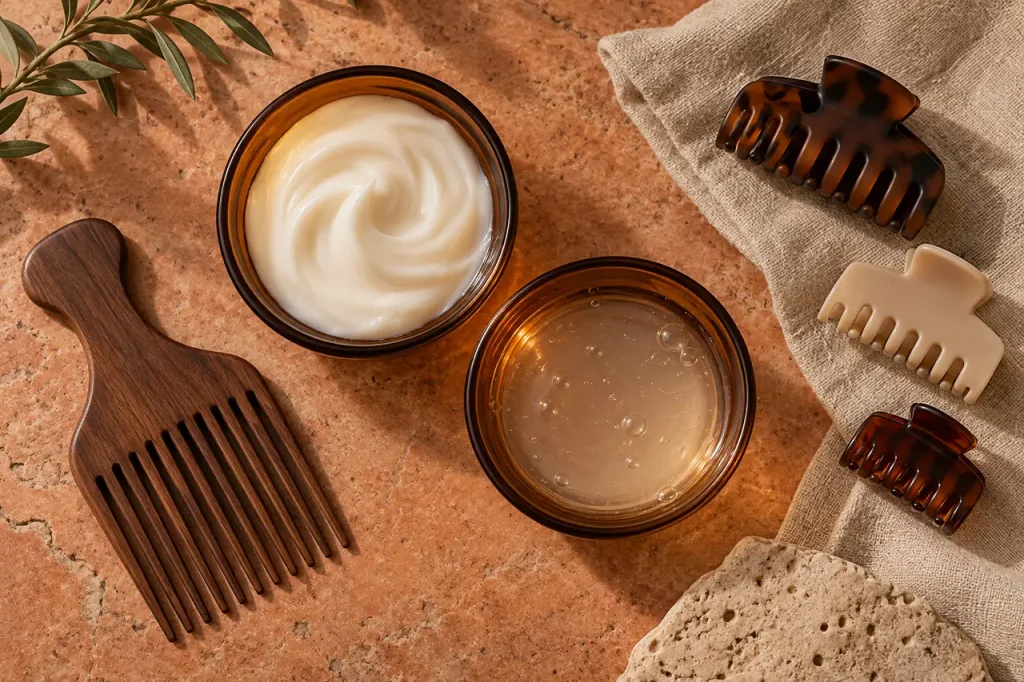
How often should you use a protein treatment on natural hair?
The honest answer is: follow the formula’s directions first. A lightweight protein conditioner, a rich weekly mask, and a more concentrated professional treatment should not all have the same schedule.
For a consumer article, avoid a rigid timetable that sounds universal. A brand should test the finished formula, then state a clear and realistic use range. Consumers can begin on the lower end of that range and evaluate the look, feel, and manageability of their hair.
| Product format | Typical role in a routine | Direction brands should make clear |
|---|---|---|
| Protein-containing rinse-off conditioner | Regular conditioning step | Amount, detangling method, and rinse-out guidance |
| Protein treatment mask | More focused wash-day treatment | Leave-on time and recommended frequency range |
| Leave-in with protein-derived ingredients | Light conditioning or styling support | Dose, application area, and whether it suits dry hair use |
| Professional salon treatment | Service-specific care | Who should apply it and the exact aftercare instructions |
The label should always be the main reference. If a product is sold in the U.S., brands are responsible for ensuring that the cosmetic is safe when used according to the directions or customary use. Official external-link opportunity: FDA, “Product Testing of Cosmetics”.
How to choose a protein treatment for natural hair
Start with format and use case, not with the word “protein” alone.
- For a wash-day treatment: Choose a rinse-off cream or mask with enough slip for sectioned application.
- For frequent detangling: Look for a regular conditioner that balances the protein story with reliable conditioning performance.
- For a richer routine: Pair a treatment mask with a simple, non-heavy everyday conditioner.
- For colour-treated or heat-styled hair: Check that the directions, claims, and texture fit the rest of the routine.
- For a new product trial: Change one product at a time, so it is easier to understand the result.
For deeper weekly care, explore Deep Conditioning Hair Masks. If you are comparing the role of different conditioning formats, see Leave-In Conditioner vs Regular Conditioner.
How brands should develop a protein treatment for natural hair
For a private label or OEM hair-care project, a “protein treatment” is not yet a finished brief. The brand needs to decide who the product is for, how often it will be used, what hair feel it should deliver, and what claims can be supported.
Product brief checklist
- Target hair texture, density, and primary wash-day problem
- Product role: conditioner, mask, leave-in, or salon treatment
- Desired sensory finish: light, creamy, buttery, silicone-smooth, or clean-rinsing
- Protein-derived ingredient preference, if any, and non-negotiable exclusions
- Target market and compliant claim language
- Pack format: jar, tube, pump, or bottle
- Required testing for formula, packaging, stability, and proposed claims
The formula should then be evaluated in the final packaging, with the intended directions. For U.S. cosmetics, FDA does not pre-approve ordinary cosmetic products; the manufacturer or distributor remains responsible for safety and proper labelling. Official external-link opportunity: FDA, “Does the FDA pre-approve cosmetic product labeling?”.
Brands can start a project through Custom Hair Conditioner & Treatment Formulation Services. For a wider formulation decision tree, read How to Choose a Custom Conditioner Formula for Dry, Curly, Color-Treated and Fine Hair.

Request a protein treatment formula review
Are you developing a protein treatment for natural hair for your brand, salon group, or wholesale channel? Send SEVICH a short project brief. We can discuss the product role, texture, packaging format, sample needs, and the information required for a written quotation.
Primary CTA: Request a Protein Treatment Formula Review
FAQs
Is a protein treatment good for natural hair?
It can be useful when the formula and use frequency suit the customer’s routine. The goal is a better-conditioned, more manageable feel—not a permanent repair claim. Results vary with hair texture, formula, and the rest of the routine.
How often should I use a protein treatment on natural hair?
Use the label directions first. Product formats differ, so a rinse-off conditioner, weekly mask, and professional treatment should not be treated the same way. Start conservatively and adjust based on hair feel.
Can too much protein make natural hair feel hard?
Some people may find a protein-heavy routine leaves their hair feeling less soft or less flexible. This is not a diagnosis. Reduce frequency or simplify the routine if the result is not comfortable for your hair.
Does a protein treatment make natural hair grow faster?
No. A cosmetic protein treatment should not claim to speed hair growth. It may support a smoother, easier-to-manage hair-care routine, which can help reduce mechanical stress during detangling.
What is the difference between a protein treatment and a deep conditioner?
A protein treatment highlights protein-derived ingredients. A deep conditioner describes a richer or longer-contact conditioning format. One product can be both, but the formula and directions—not the name alone—determine its role.
What should brands test before launching a protein hair treatment?
Brands should assess the finished formula and final packaging for stability, dispensing, sensory performance, rinseability, and consistency with the proposed directions and claims. The appropriate test plan depends on the formula, market, and product claims.