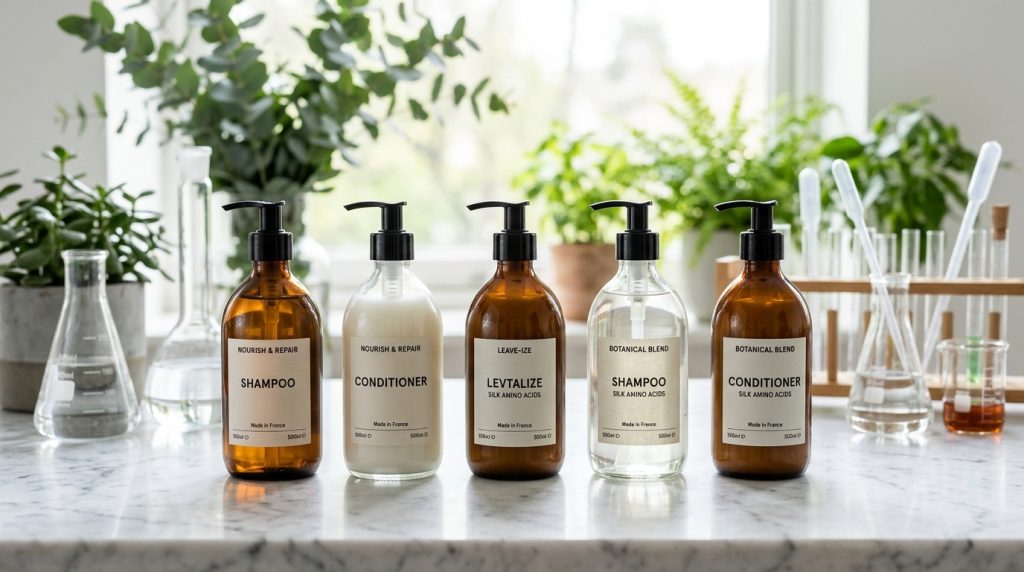
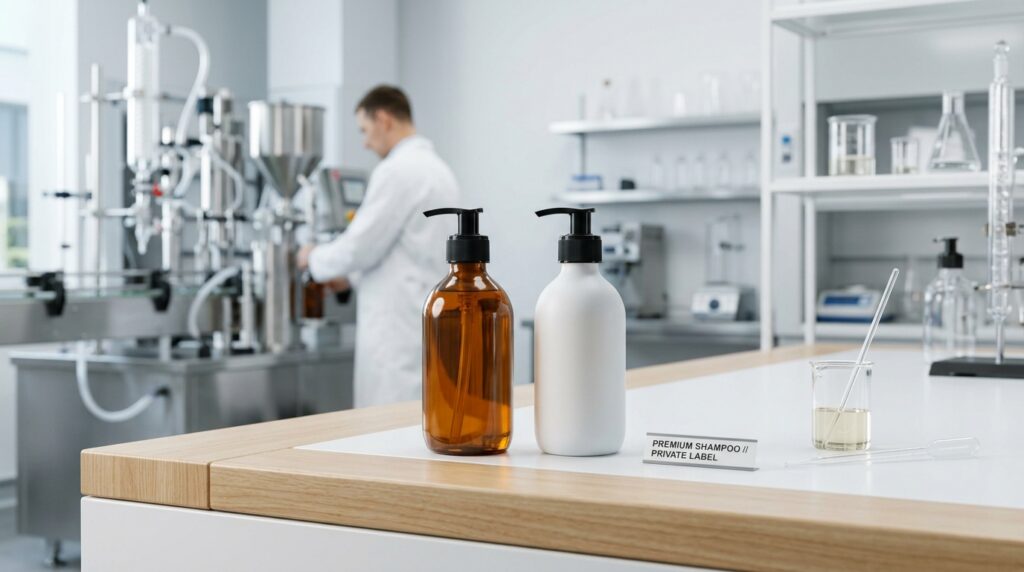
A keratin hair conditioner is a rinse-off conditioner that uses keratin-derived ingredients as part of its conditioning story. It can help hair feel smoother, softer, and easier to comb, especially when the full formula provides good slip. It is not the same as a professional keratin smoothing or straightening treatment, and it should not be presented as a permanent repair. The right choice depends on hair type, routine, the finished formula, and what the product directions say.
Quick answer: Choose a conditioner with keratin for its overall conditioning performance, not for the word “keratin” alone. For dry, heat-styled, colour-treated, curly, or easily tangled hair, look for a rinse-off formula with clear directions and a comfortable after-feel. If hair feels heavy, coated, or stiff, use less often or choose a lighter conditioner.
What is a keratin hair conditioner?
A keratin hair conditioner is usually a rinse-off hair-care product that includes a keratin-derived ingredient, such as hydrolyzed keratin, alongside a complete conditioning system. That system may also include conditioning agents, fatty alcohols, emollients, humectants, fragrance, and preservatives.
Hair itself is largely made of keratin. In a cosmetic formula, however, keratin-derived ingredients do not turn a regular conditioner into a salon straightening service. They are one part of a formula designed to improve the cosmetic feel of hair during normal use.
Research on hydrolyzed keratin shows that materials sold under the same INCI name can have different physical properties, including differences linked to molecular weight. This is why a product brief should specify the desired result and test the finished formula rather than relying on a front-label ingredient alone. Official external-link opportunity: U.S. National Library of Medicine / PubMed, “Exploring the Functional Properties of Hydrolyzed Keratin”.
What does a keratin conditioner do for hair?
The useful role of a keratin conditioner is cosmetic conditioning. A well-designed formula can help improve slip, leave hair feeling softer, and make combing easier after washing. The result comes from the whole formula and the way it deposits and rinses from the hair.
| A careful keratin conditioner claim can say | Avoid claiming |
|---|---|
| Helps hair feel smoother and more manageable | Permanently repairs damaged hair |
| Helps reduce friction during wet combing | Rebuilds every broken hair bond |
| Leaves hair feeling conditioned after rinsing | Straightens hair like a salon chemical service |
| Supports a polished-looking finish | Stops all breakage or guarantees hair growth |
“Keratin conditioner benefits” should therefore be described in terms of feel, manageability, and the look of the hair. These are useful benefits for a cosmetic product. They are different from a medical or permanent structural promise.
Keratin conditioner vs keratin hair mask vs professional smoothing treatment
These formats are often grouped together online, but they answer different needs. Clear wording prevents consumers from expecting a rinse-off conditioner to behave like a professional service.
| Product type | Main use | Typical application | What a buyer should confirm |
|---|---|---|---|
| Keratin hair conditioner | Regular rinse-off conditioning and detangling | Applied after shampoo, then rinsed out | Slip, rinse feel, hair-type fit, and repeat-use performance |
| Keratin hair mask | Richer or longer-contact conditioning | Used as directed, often less frequently | Leave-on time, richness, and whether a jar or tube suits the formula |
| Professional keratin smoothing treatment | Salon-specific smoothing or reshaping service | Applied only under the service’s exact protocol | Ingredient system, training, target-market rules, and aftercare requirements |
A keratin conditioner for damaged hair may be a sensible everyday option when the formula gives hair a softer, more manageable feel. It should not be marketed as a substitute for a professional treatment or as a way to permanently reverse chemical, heat, or mechanical damage.
Who may like a conditioner with keratin?
There is no single “keratin hair type.” A product can suit different customers when its richness, slip, and use directions match their routine. The practical question is what the hair needs after washing.
| Hair concern or routine | A keratin conditioner may be a good fit when… | Watch for |
|---|---|---|
| Dry-feeling or tangled lengths | The formula gives enough slip and a soft rinse-off finish | Overly rich residue on fine hair |
| Heat-styled or colour-treated hair | The user wants an easy-combing conditioner as part of a gentle routine | Claims that imply permanent repair |
| Curly or coily hair | The formula spreads well through sections and supports detangling | Insufficient slip or a heavy coating |
| Fine hair | The conditioner has a light texture and clear dose guidance | Flatness or build-up from using too much |
| Salon retail customers | The retail conditioner complements, rather than replaces, a salon service | Confusing a maintenance product with the professional service |
For curly hair, a keratin conditioner should be judged by how it spreads, detangles, and rinses—not by a promise that it will change curl pattern. Customers with dense curls or coils may prefer a richer conditioning base. Fine or easily weighed-down hair may prefer a lighter daily conditioner.
How to use a keratin hair conditioner
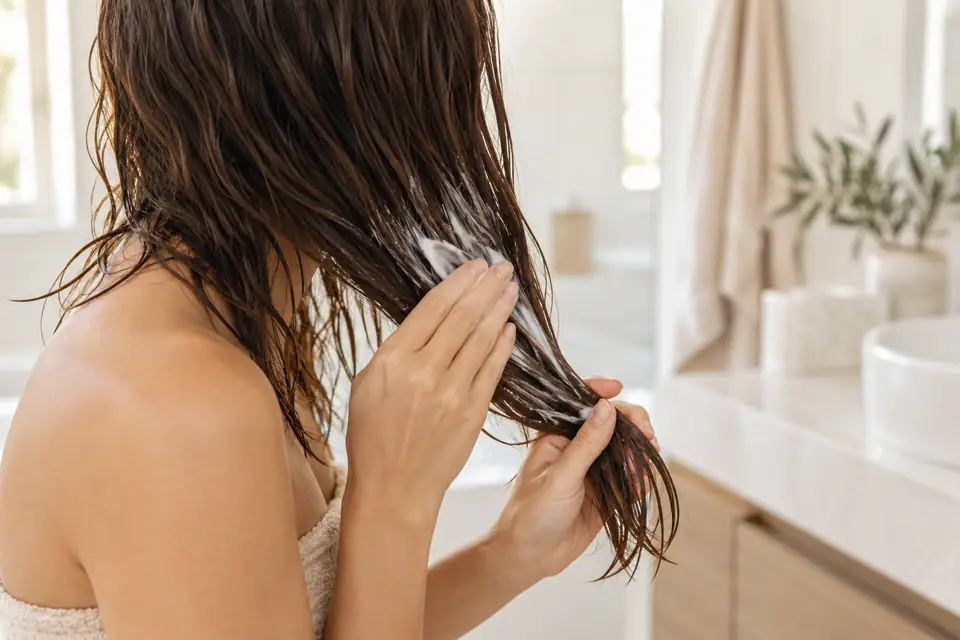
Follow the label on the finished product first. A simple rinse-off routine is usually more useful than a complicated schedule:
- Shampoo according to the product directions.
- Apply the keratin hair conditioner mainly to mid-lengths and ends, unless the label says otherwise.
- Use the amount that suits hair length and density; adding more is not always better.
- Detangle gently if appropriate for the hair type and product directions.
- Leave on for the stated time, then rinse thoroughly.
If hair becomes uncomfortable, irritated, unusually coated, or difficult to manage, stop use and simplify the routine. FDA consumer guidance also advises users to read directions and stop using a cosmetic after an unexpected reaction. Official external-link opportunity: FDA, “Using Cosmetics Safely”.
Keratin conditioner vs protein conditioner: is there a difference?
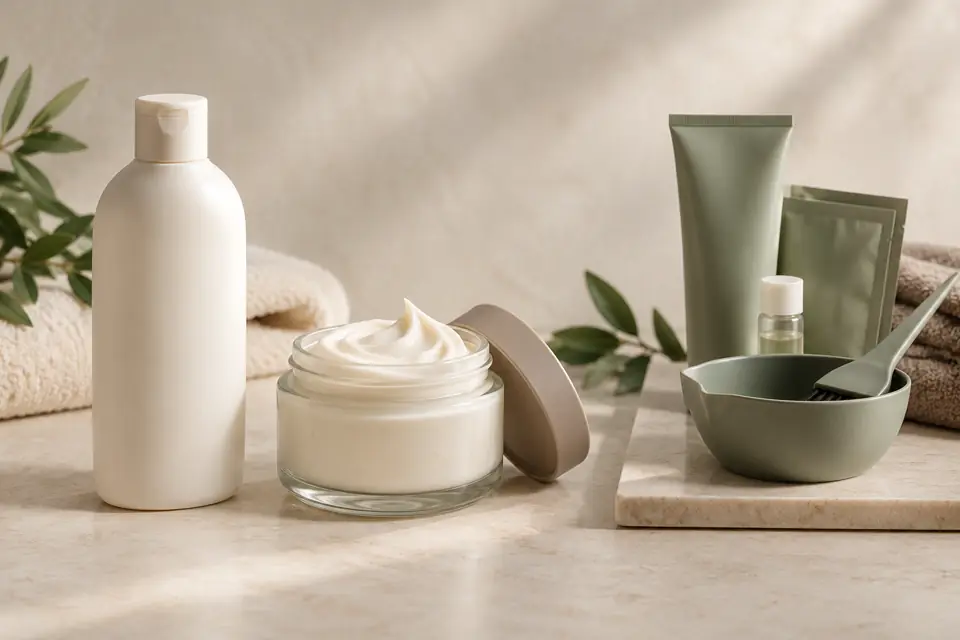
Keratin is a type of protein. In hair care, “protein conditioner” is the broader term. It may include hydrolyzed keratin, silk protein, wheat protein, rice protein, amino acids, or other protein-derived ingredients.
The product name alone does not tell the whole story. A keratin conditioner can be positioned as a protein-containing conditioner, but it still needs a well-balanced base for detangling, texture, fragrance, and rinseability.
| If the brand wants to communicate… | A clearer product direction |
|---|---|
| A familiar ingredient story for dry or stressed-looking hair | Keratin conditioner with a balanced conditioning base |
| A broad protein-led range | Protein conditioner or treatment, with the specific protein ingredients listed accurately |
| A rich weekly care product | Keratin hair mask or protein treatment mask, with defined leave-on time |
| A lightweight everyday product | Daily conditioner with controlled richness and repeat-use testing |
For a related guide on protein-focused care, see Protein Treatment for Natural Hair: Benefits, Risks and How Often to Use It. To compare rinse-off and leave-in formats, read Leave-In Conditioner vs Regular Conditioner: What’s the Difference?.
How brands should develop a private label keratin hair conditioner
For a brand, “make a keratin conditioner” is only the starting point. A strong private label brief defines the intended user, performance target, packaging, market, and claims before sample work begins.
Private label keratin conditioner checklist
- Target user: Fine, curly, coily, colour-treated, heat-styled, or mixed hair profiles.
- Product role: Everyday rinse-off conditioner, salon retail maintenance conditioner, richer repair-style conditioner, or mask.
- Desired finish: Lightweight, creamy, buttery, silicone-smooth, or clean-rinsing.
- Ingredient direction: Keratin-derived ingredient preference, desired supporting ingredients, and any exclusions.
- Packaging: Bottle, tube, jar, pump, cap, and target fill size suited to the formula viscosity.
- Claims: Consumer-friendly wording that the finished formula and evidence can support in the target market.
- Testing: Finished-formula, packaging-compatibility, stability, sensory, and performance checks appropriate to the project.
At SEVICH, a custom conditioner project can start from an existing formula route, an adjustment to a formula, a benchmark sample, or a written ingredient brief. The development discussion should cover texture, fragrance, colour, packaging, and expected order quantity before the sample route is confirmed. For the wider process, see Custom Hair Conditioner & Treatment Formulation Services.
For a matching product example, see OEM Keratin Smoothing Deep Conditioner. It is a product-format reference; final ingredients, directions, claims, packaging, and documentation should be agreed for the individual private label project.
What brands should not overlook
A conditioner with keratin needs to perform well in the final pack, not only in a laboratory beaker. The formula must dispense properly, remain stable, rinse cleanly, and deliver the intended feel across the target hair types. The product’s market, ingredients, packaging, and claims determine the required documentation and review. This article is a sourcing guide, not legal advice.

Request a keratin conditioner project review
Are you developing a keratin hair conditioner for a brand, salon group, retailer, or wholesale channel? Share a short brief with SEVICH. We can discuss the product role, texture, packaging direction, sample route, and the details needed for a written quotation.
Ask About SEVICH’s Distributor and Private Label Policy
FAQs
What does a keratin hair conditioner do?
A keratin hair conditioner can help hair feel smoother, softer, and easier to comb when it has a well-designed conditioning base. It is a rinse-off cosmetic product, not a permanent repair or straightening service.
Is keratin conditioner good for damaged hair?
It can be useful for hair that feels dry, rough, or hard to detangle after styling or colour services. The right claim is about improved manageability and cosmetic feel. It should not promise to permanently repair damage.
Can a keratin conditioner straighten curly hair?
No. A regular keratin conditioner should not be expected to permanently straighten or change curl pattern. It may make hair feel smoother or easier to manage, but it is different from a professional smoothing treatment.
What is the difference between a keratin conditioner and a protein conditioner?
Keratin is one type of protein. A protein conditioner may use keratin or other protein-derived ingredients. In both cases, the full formula—not the ingredient name alone—determines how the product feels and performs.
How often should a keratin conditioner be used?
Use the finished product’s label directions first. A lightweight daily conditioner, rich treatment mask, and salon maintenance product may each need different directions. If hair feels heavy or coated, reduce use or choose a lighter formula.
What should a private label brand test before launching a keratin conditioner?
Assess the finished formula in its final packaging for stability, dispensing, sensory performance, rinseability, and consistency with proposed directions and claims. The suitable test plan depends on the formula, market, and claim set.